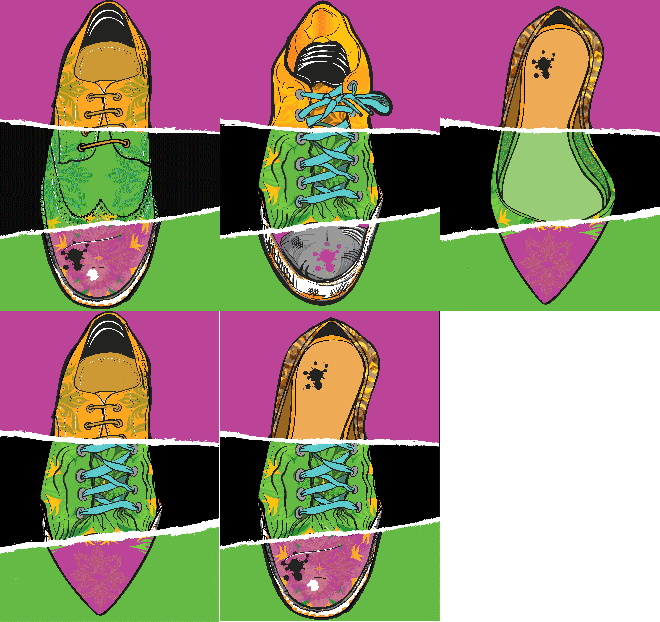
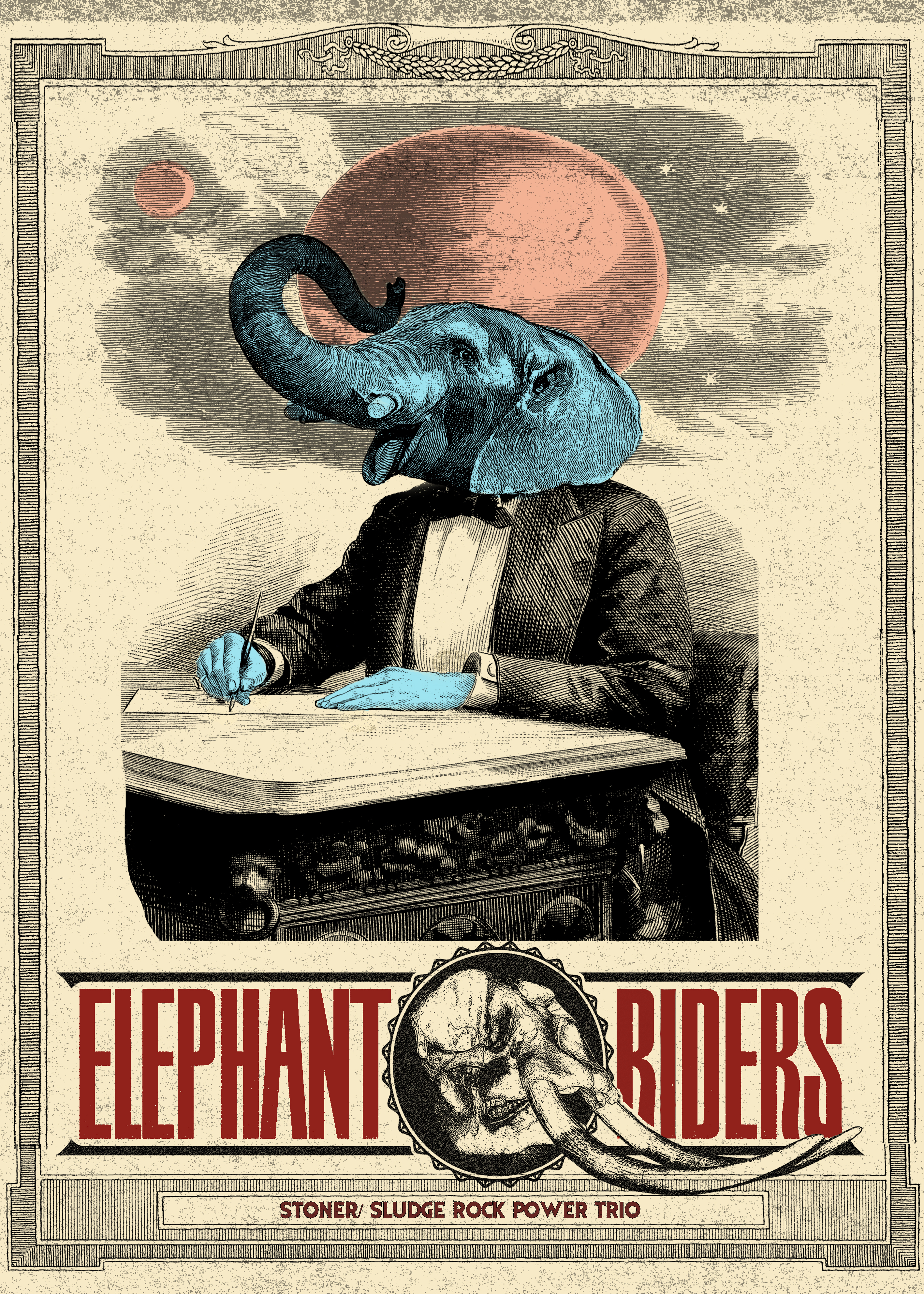
Silk Screen (Serigraphy) is created by one of the few printmaking processes in which pulling the print does not result in a reversed image. It is a stencil technique in which the stencil is adhered, or exposed to a screen of mesh fabric stretched tightly over a frame. Silk was originally used but polyester and nylons are generally used today. Ink is forced through the mesh with a flexible squeegee (rubber blade). the first color is applied to the entire edition quantity and then the second color thereafter and so forth for each additional color.
Screenprinting
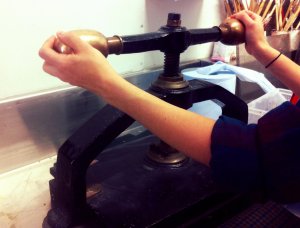
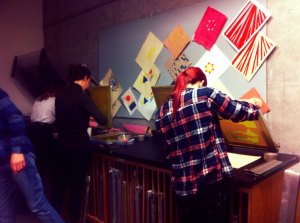
(occasionally known as «silkscreen», or»serigraphy») creates prints by using a fabric
stencil technique; ink is simply pushed through the stencil against the surface of the paper, most often with the aid of a squeegee.
Screenprinting may be adapted to printing on a variety of materials, from paper, cloth, and canvas to rubber, glass, and metal. Artists have used the technique to print on bottles, on slabs of granite, directly onto walls, and to reproduce images on textiles which would distort under pressure from printing presses.
Monoprint
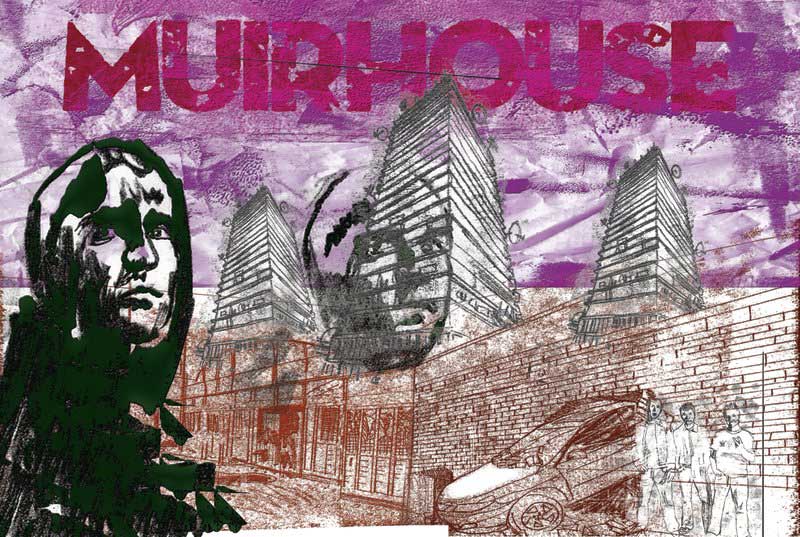
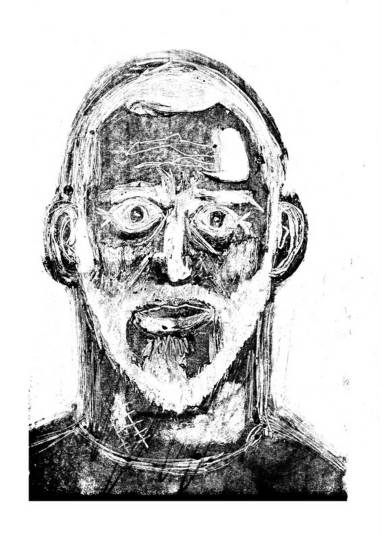
Monoprinting is a form of printmaking that uses a matrix such as a woodblock, litho stone, or copper plate, but produces impressions that are unique. Multiple unique impressions printed from a single matrix are sometimes known as a variable edition. There are many techniques used in monoprinting, including
collagraph,
collage, hand-painted additions, and a form of tracing by which thick ink is laid down on a table, paper is placed on the ink, and the back of the paper is drawn on, transferring the ink to the paper. Monoprints can also be made by altering the type, color, and viscosity of the ink used to create different prints. Traditional printmaking techniques, such as lithography, woodcut, and intaglio, can be used to make monoprints.
Lino cutting
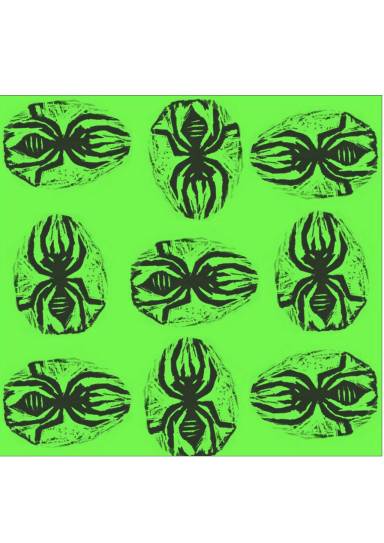
Lino cutting is a relief printing process. An image is transferred onto a block of lino and the areas that you wish to be white are cut away with gouges. The remaining block is inked up and printed.
You can print linocuts in colour either by cutting away the block and over printing in successive colours (reduction printing) or by making several blocks one for each colour (multiple block printing).
It is a good technique for bold and graphic images but less suitable for delicate drawn images.
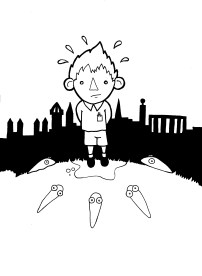 nd is secreting slippery slime from his skin. (Yes, just as disgusting as it sounds.) In a world where superhero competition is fierce, Slugboy doesn’t make the grade. No one wants help fighting bad guys from someone with a horrible habit of (quite literally) messing things up. He’s so underrated, in fact, that when an evil mastermind devises a plan to capture all the other superheroes, Slugboy isn’t even on his list. Now, Slugboy has to use his not-so-super and oh-so-gross abilities to free the other superheroes and save the world. Let’s hope he doesn’t slip up.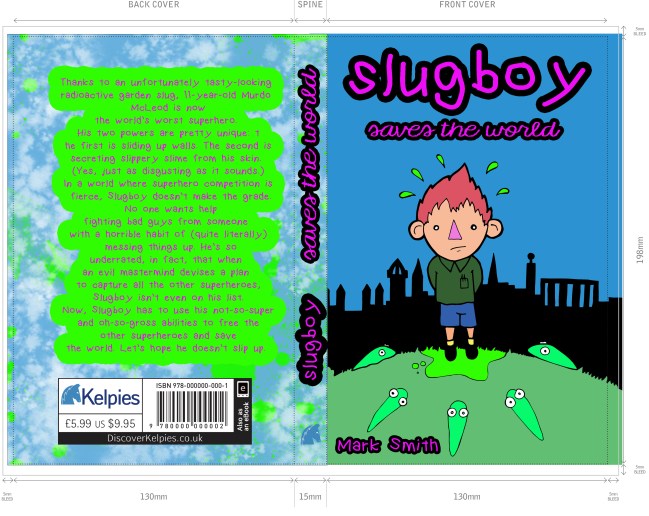









 Camarero en el Extranjero